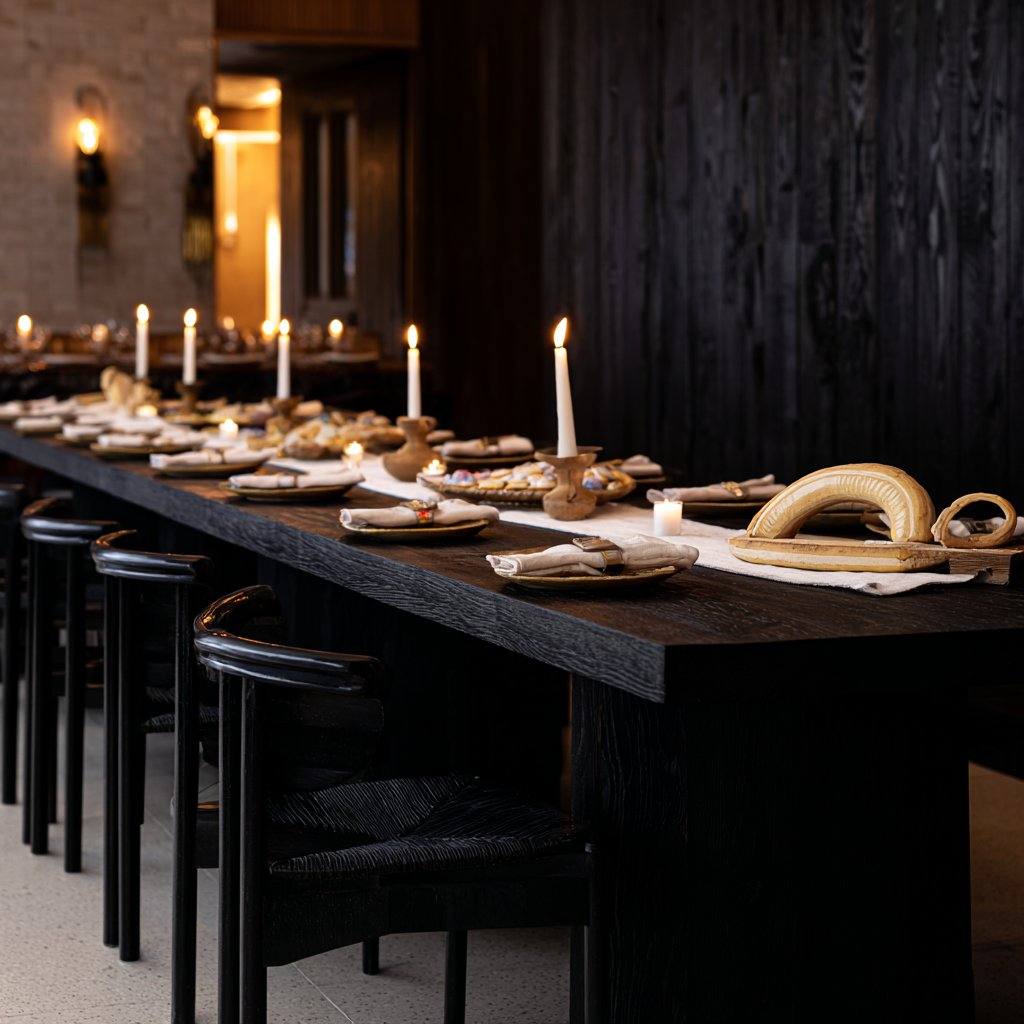
In the world of fine dining, mezcal has long occupied an uneasy position. Restaurants that obsess over the provenance of every herb and the biography of every fisherman often treat spirits as an afterthought — a back-bar category managed by the sommelier's instinct rather than the kitchen's rigour. PUJOL, in Mexico City, is not one of those restaurants.
Ranked consistently among the world's fifty best, PUJOL is the restaurant most associated with Mexico's modern culinary identity. Chef Enrique Olvera's cooking is built on the principle that Mexican ingredients and techniques, treated with the same seriousness as French or Japanese ones, produce food of extraordinary depth and originality. The mole madre — aged for over 1,500 days — is the restaurant's signature. The ingredients come from specific farms, specific regions, specific hands.
It was perhaps inevitable that a restaurant this committed to provenance would eventually seek out mezcal made with the same philosophy. What's notable is that when they did, they chose Gota Gorda.
How It Happened
Dani Tatarin — Gota Gorda's founder — had spent years building relationships in Mexico's food and drink world. Her background in bartending gave her fluency in the language of flavour profiles and pairings. Her time living in Oaxaca gave her direct access to the producing families whose spirits she curates. When the PUJOL team tasted Felipe Garcia's tepextate, the conversation shifted from "tell us about your brand" to "how many bottles can you send us?"
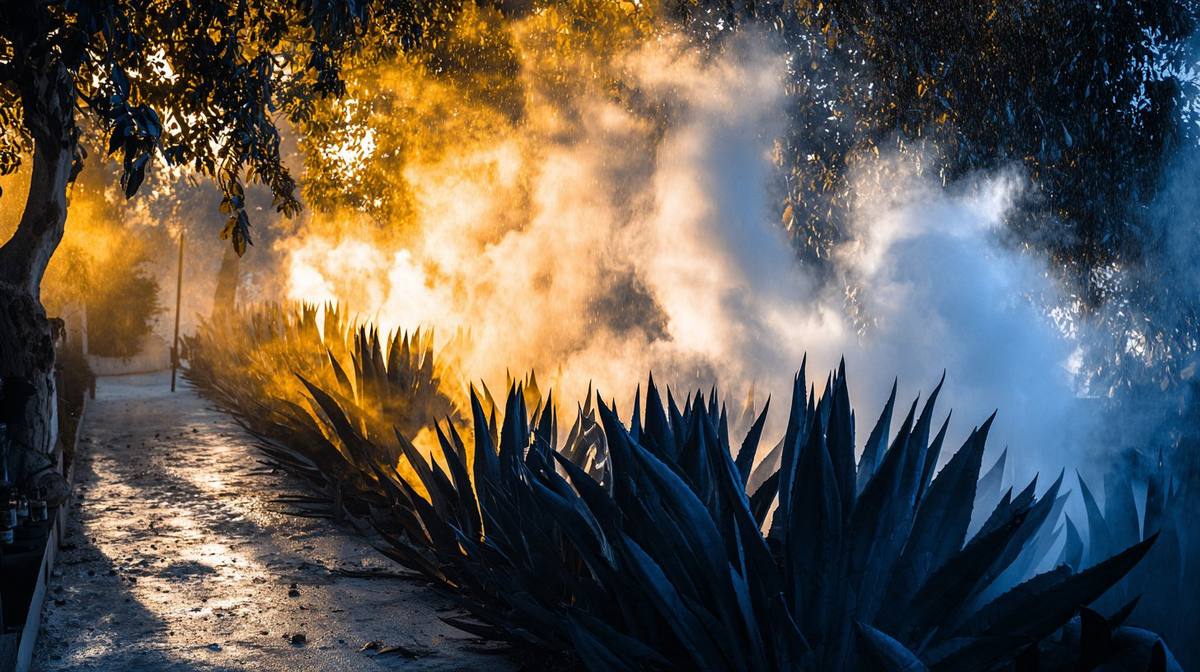
The appeal was straightforward. PUJOL's beverage programme is built around Mexican spirits that demonstrate terroir — the idea that a drink can taste like the place it comes from. Felipe's mezcal, made from wild agave harvested at altitude, crushed with a tahona, fermented in open air, and distilled in copper stills he maintains himself, is a textbook expression of terroir. Every sip contains information about the soil, the climate, and the hands that made it.
When a restaurant that obsesses over every ingredient on the plate chooses your mezcal for their table, it tells you something no medal or review ever could.
What PUJOL Sees in Gota Gorda
For a restaurant of PUJOL's calibre, choosing a spirits partner is not a commercial decision — it's a curatorial one. The mezcal on the table needs to reflect the same values as the food on the plate: specificity, transparency, respect for the people who made it.
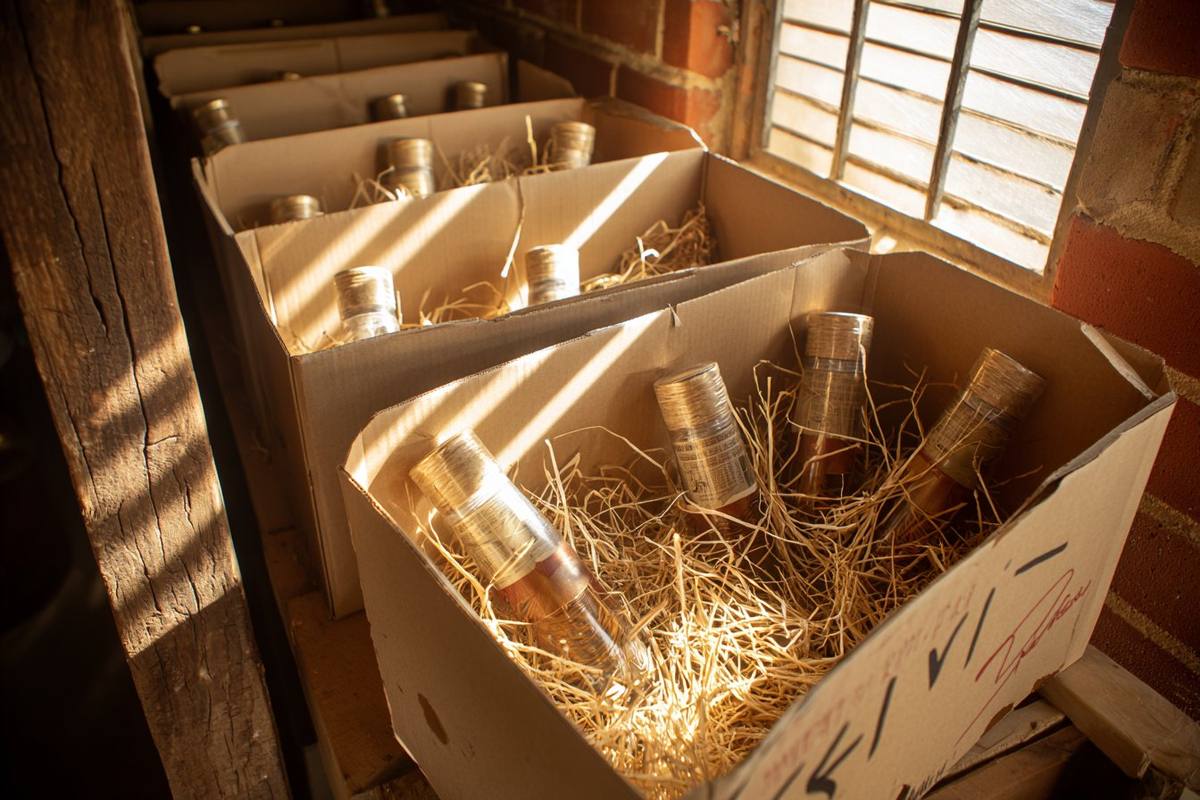
Gota Gorda delivers on every count. The labels name the maestro. The batch sizes are printed. The agave species, the village, the ABV, the distillation method — it's all there. When a PUJOL server pours Gota Gorda for a guest, they can tell a complete story: this spirit was made by Felipe Garcia, in San Simón Almolongas, from wild tepextate harvested on a hillside, crushed by a stone wheel pulled by a horse named Canela. That level of narrative is exactly what a restaurant like PUJOL wants.
What It Means for the UK
The PUJOL endorsement travels. When Mescalito brings Gota Gorda to the UK, the provenance story includes a restaurant that the British food world knows and respects. It provides a frame of reference for a spirit that might otherwise be unfamiliar — a way of saying "this is serious" without having to explain why.
But we'd caution against reducing Gota Gorda to its famous association. The mezcal doesn't need PUJOL to be extraordinary. It was extraordinary before the restaurant ever tasted it, and it will be extraordinary long after trends in fine dining move on. What the PUJOL connection demonstrates is alignment: a restaurant that cares deeply about provenance found a spirit that cares about provenance in exactly the same way.
The same spirit is now available in the UK for the first time. Same maestro, same process, same village, same bottles. The only difference is the table it's sitting on — and that table could be yours.