Dani Tatarin didn't plan to spend her life in mezcal. She planned to spend it behind a bar. For twenty-five years, that's exactly what she did — mixing drinks in Vancouver, running The Keefer Bar, winning awards, serving as president of the Canadian Professional Bartenders Association. Then, in 2018, she moved to a small beach town on the Pacific coast of Oaxaca and everything changed.
Zipolite is the kind of place that either repels you in a day or claims you for life. No chain hotels. No traffic lights. A single unpaved road lined with palapa restaurants serving ceviche and cold beer. At night, bioluminescent plankton light up the surf. Dani arrived for a holiday and never really left.
It was in Oaxaca that bartending and mezcal converged. Dani had been tasting mezcal professionally for years, but drinking it at the source — in palenques where the smoke from the pit ovens hangs in the trees and the maestros pour straight from the still — was something else entirely.
Building Gota Gorda
The name means "fat drop," from the Mexican expression sudando la gota gorda — to sweat the fat drop, to work hard at something worth doing. Dani chose it because it described both the process and the philosophy: nothing about making mezcal this way is efficient, and that's the point.
Gota Gorda is not a mezcal brand in the conventional sense. Dani doesn't own a distillery. She doesn't buy bulk spirit and bottle it under her label. Instead, she works directly with producing families — maestros mezcaleros who have been making agave distillates for generations — and curates their work for international markets.
I'm not making mezcal. The families are making mezcal. My job is to find the people whose work moves me, and then make sure the world gets to taste it.
This distinction matters. In the mezcal industry, the relationship between brand and producer is everything. Some brands buy spirit at the lowest price and slap on a premium label. Others — the good ones — build long-term relationships with specific families, pay above market rate, and ensure the maestro's name is on every bottle.
Gota Gorda is firmly in the second camp. Every expression names the maestro who made it. Every label lists the village, the agave species, the ABV, and the batch size. There is nowhere to hide.
The PUJOL Connection
Before bringing Gota Gorda to the UK, Dani's spirits had already found their way onto one of the most important tables in Mexico. PUJOL — regularly ranked among the world's best restaurants — began serving Gota Gorda expressions as their house mezcal. It was a stamp of approval that said more than any medal or review could.
For Dani, the PUJOL relationship validated the approach. Here was a restaurant obsessed with provenance, with the story behind every ingredient, choosing her spirits not because of marketing spend but because of what was in the bottle.
Why the UK
Britain's relationship with mezcal is still young. The spirit accounts for a tiny fraction of the UK spirits market, most of it cheap mixtos sold for cocktails. The idea that mezcal can be a sipping spirit — something you contemplate, something with the complexity of a single malt or a natural wine — hasn't yet taken hold the way it has in Mexico, the US, or even parts of mainland Europe.
Dani sees this as an opportunity, not an obstacle. A market without preconceptions is a market where you can set the terms.
In Mexico, everyone already knows what mezcal should taste like. In London, I get to show people what mezcal can taste like. That's a privilege.
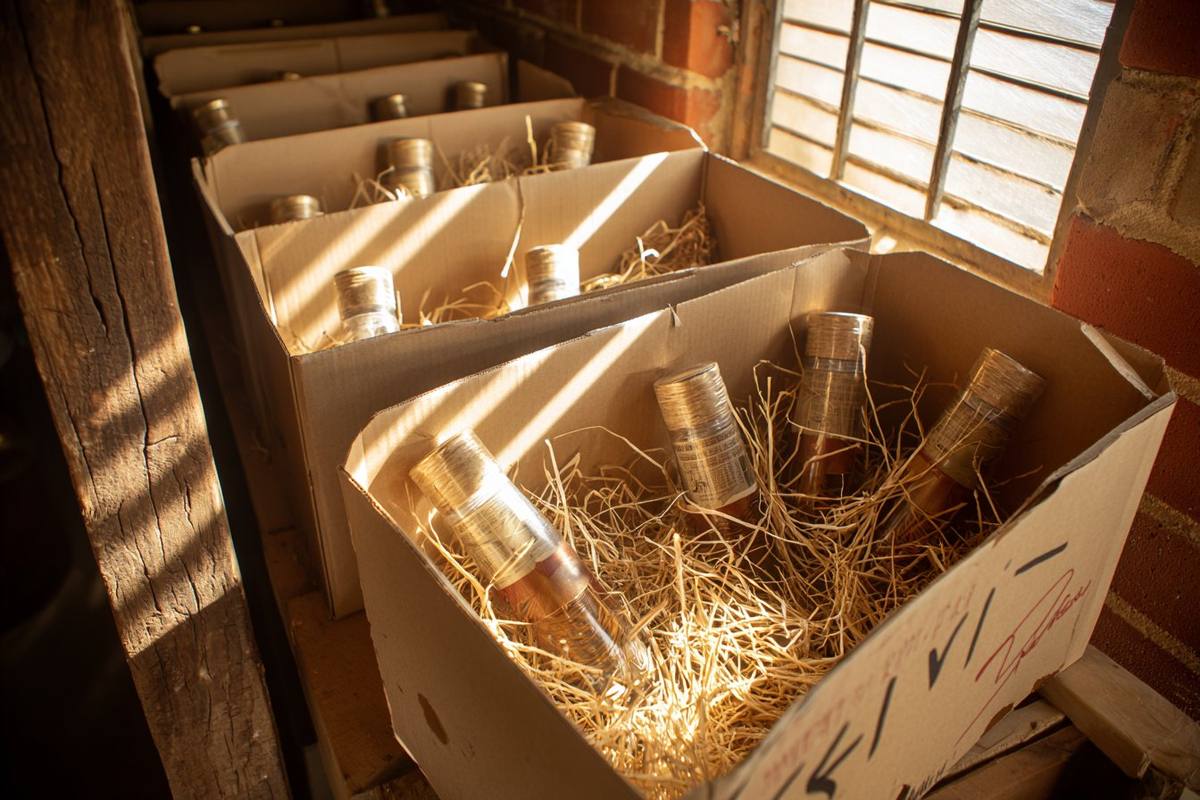
The UK launch, facilitated through Mescalito, represents the first time Gota Gorda expressions have been available outside the Americas. Four expressions from two maestros, each one a small-batch distillate made by hand in village palenques in Oaxaca.
From Zipolite to London is a long way. But then, the agave that went into these bottles took between eight and twenty-five years to grow. In that context, a transatlantic crossing seems like a short trip.