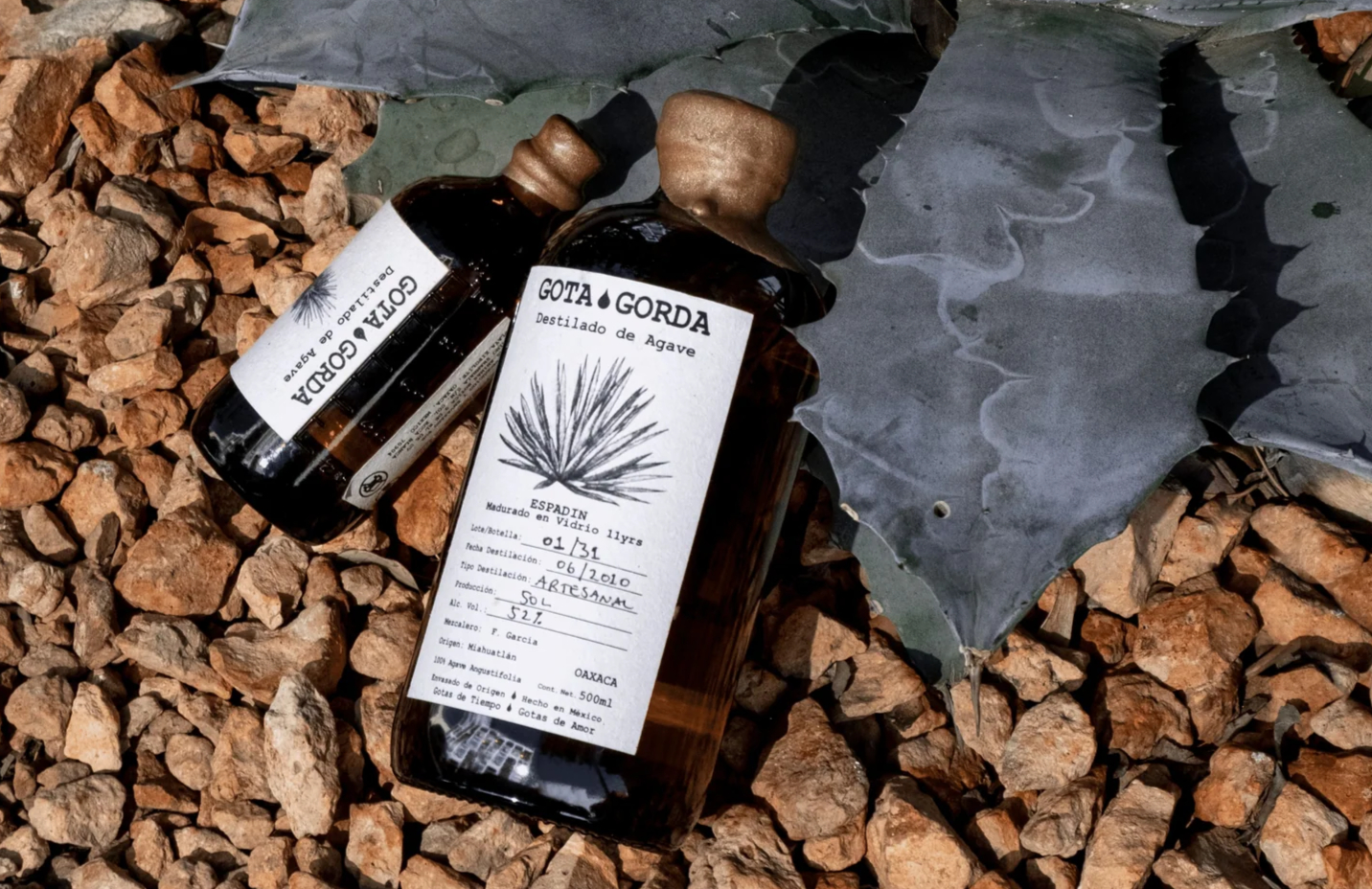
If you've ordered a bottle from Mescalito, you'll have noticed something: it's 500ml, not 700ml. You might assume this is a cost-saving measure — less liquid, same price. It isn't. The 500ml format is a deliberate choice, and the reasons behind it say a lot about how artisanal mezcal differs from almost every other spirit on the shelf.
Small Batches, Small Bottles
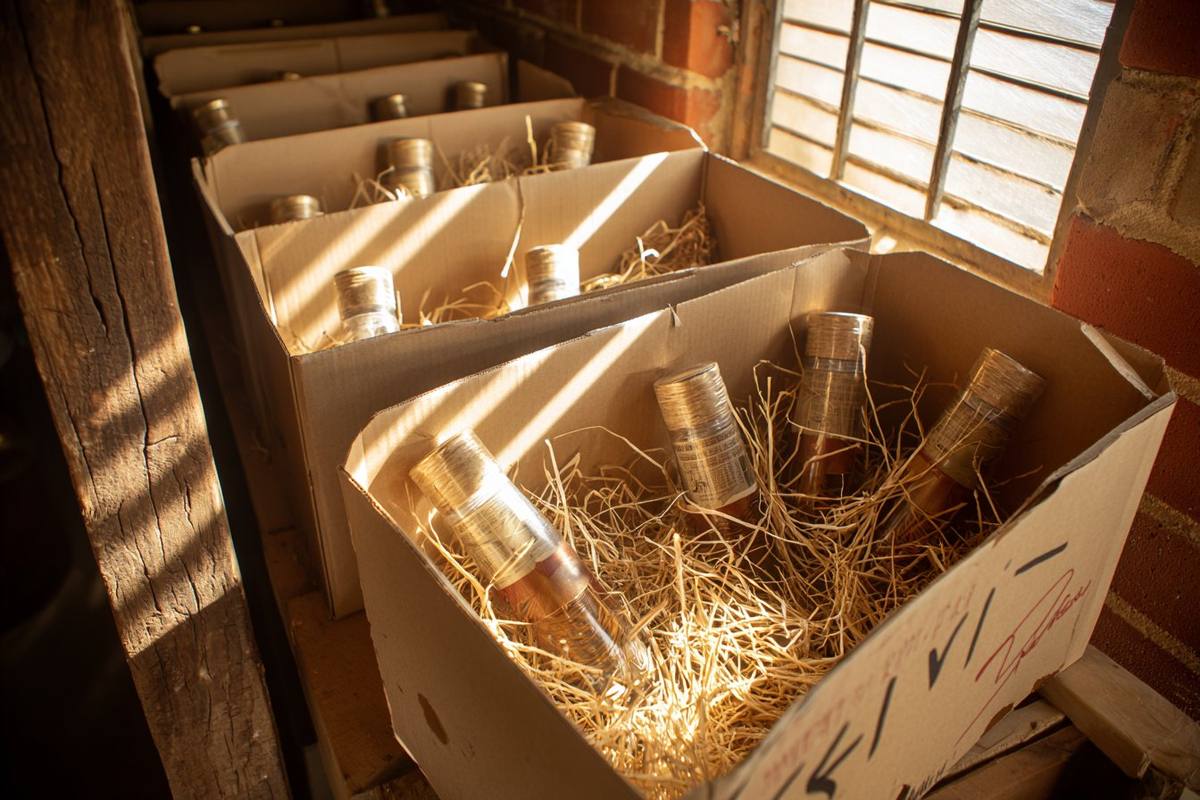
Felipe Garcia's palenque in San Simón Almolongas produces mezcal in batches of between 80 and 300 litres, depending on the agave species. His latest tepextate batch yielded 57 bottles. The tebequil, 23. These are not production runs that can be scaled up by adding more raw material or running the still for longer. Each batch is defined by a specific harvest of agave from a specific location, fermented and distilled in a specific week. When it's gone, it's gone.
At 700ml per bottle, those 57 bottles of tepextate would become 41. The tebequil would drop from 23 to 16. In an industry where rarity is already a defining characteristic, reducing bottle count by 30% makes no sense — especially when it means fewer people get to taste the spirit.
The bottle format should serve the spirit, not the other way around. For mezcal made in batches this small, 500ml is the honest choice.
The Pricing Question
A fair objection: shouldn't a smaller bottle cost less? In absolute terms, yes — and we've priced accordingly. Our per-millilitre cost is competitive with, and often lower than, comparable artisanal mezcals sold in 700ml bottles by other UK importers. The difference is transparency. Rather than diluting the spirit to fill a larger bottle (a practice more common than you'd think) or inflating the price of a 700ml to cover the higher fill volume, we've matched the bottle to the batch.
There's also a practical consideration. Mezcal at 45-50% ABV is not a spirit you consume quickly. A 500ml bottle, sipped neat from a copita in 15-20ml measures, yields 25 to 33 servings. For most people, that's weeks or months of drinking. A 700ml bottle would simply sit on the shelf longer — which is fine for a sealed bottle, but less ideal once the seal is broken and the spirit begins, slowly, to oxidise.
What the Format Signals
The 500ml bottle is common in Mexico for artisanal mezcal. It's the standard format at most palenques, the size that maestros fill when bottling their own production. When you hold a 500ml bottle of Gota Gorda, you're holding the same format that Felipe Garcia bottles for his own community in Oaxaca. Nothing has been reformatted for the export market.
In this sense, the bottle is a statement of intent. It says: this is the spirit as it was made, in the quantity it was made, packaged the way it's always been packaged. We haven't changed the abv to suit UK duty calculations. We haven't blended batches to fill a larger run. We haven't added water to hit a rounder number on the label.
What you get is what Felipe made. All 500 millilitres of it.
A Note on Sustainability
There's an environmental argument too, though we're cautious about overstating it. Smaller bottles mean less glass, less weight, lower shipping emissions per unit. The agave that went into these spirits took between eight and twenty-five years to grow. Using the format that maximises the number of bottles per batch — and therefore the number of people who get to taste each harvest — feels like the right way to honour that time.
In spirits, as in most things, the simplest explanation is usually the truest one. We use 500ml bottles because they're the right size for the spirit and the right size for the batch. That's it.