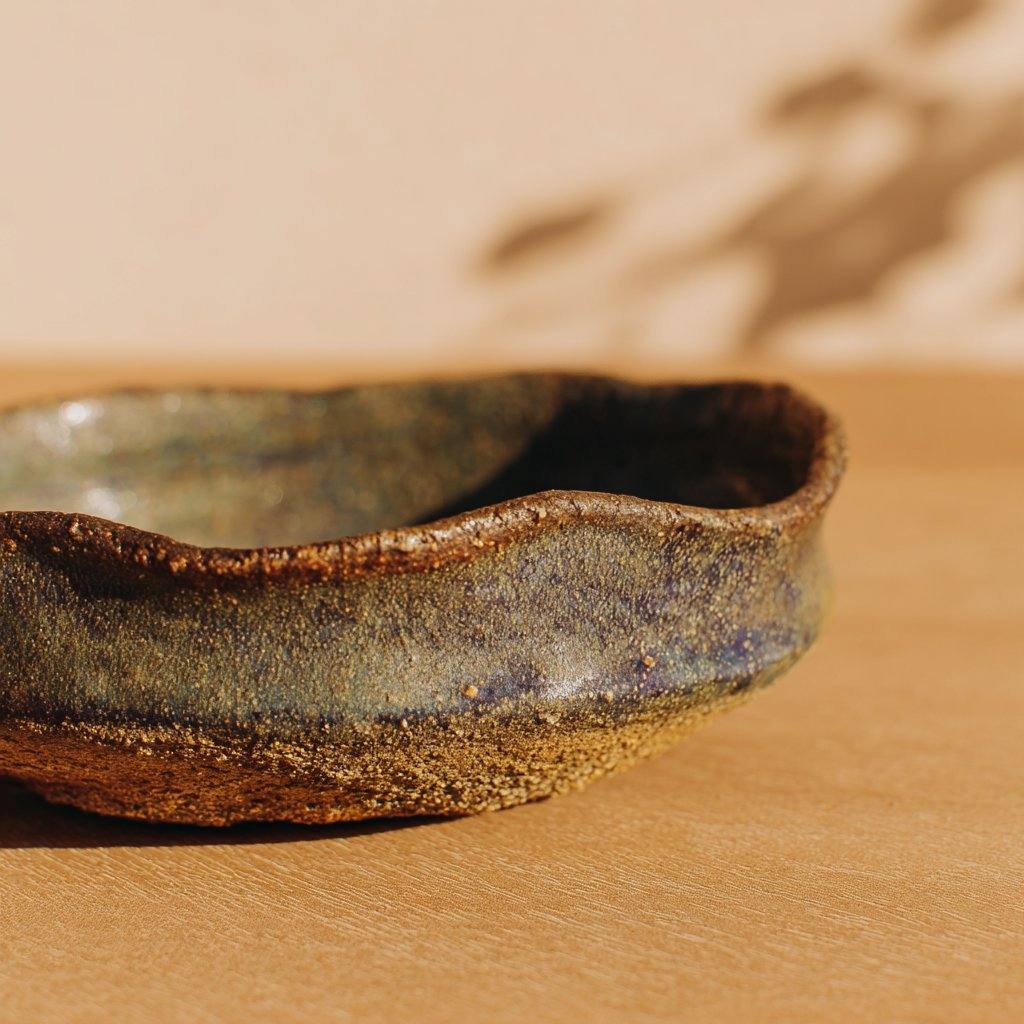
The copita is a small, wide-mouthed cup — traditionally made from clay, sometimes from dried gourd (jícara). It is the vessel mezcal has been drunk from for centuries, and its design is not accidental.
The Shape
The wide mouth is the key. Unlike a narrow-mouthed whisky glass or a tulip-shaped wine glass, the copita does not concentrate aromas into a tight channel. Instead, it lets the spirit breathe. The aromas rise gently, spread across a wider area, and reach your nose at a lower intensity. For a spirit that can be 45–55% ABV, this is crucial: it means you can actually smell the spirit without the alcohol burning your sinuses.
The shallow bowl also means you naturally take smaller sips. The copita encourages moderation by design — not by restriction, but by making small sips feel like the natural thing to do.
The Material
Clay copitas interact with the spirit in subtle ways. The porous surface of unglazed clay absorbs a tiny amount of liquid and releases it slowly, which can slightly round out the spirit’s texture. The thermal mass of clay also keeps the mezcal closer to room temperature — unlike glass, which can cool the spirit and suppress some aromatic compounds.
Gota Gorda’s Copitas
Every bottle of Gota Gorda comes with a handmade clay copita by Oaxacan artisan Javier Ruiz. No two are identical. Each is shaped by hand, fired from local clay, and included in the box so that whoever receives the bottle has everything they need to experience the spirit properly. It is a small touch that captures the Gota Gorda philosophy: attention to detail, respect for craft, and the belief that how you drink matters as much as what you drink.
You do not need a copita to enjoy mezcal. But once you have used one, you will understand why it has been the vessel of choice for centuries. The shape, the weight, the feel of clay in your hand — it changes the experience.