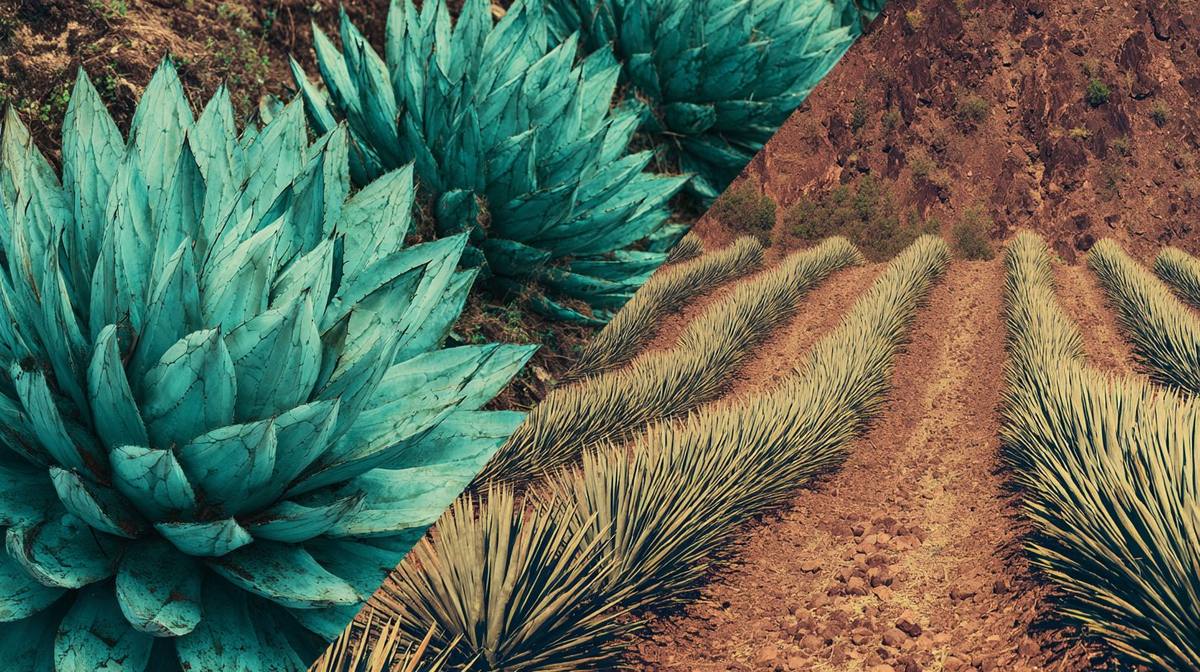
Wild agave mezcal is among the most extraordinary spirits in the world. It is also, potentially, among the most ecologically fragile. As demand grows internationally, the tension between the desire for wild-agave spirits and the need to protect wild populations is one of the defining challenges facing the mezcal world.
The Problem
Every wild agave harvested for mezcal is an agave that never flowered. Never seeded. Never reproduced. Wild species like tepextate, tobalá, and jabalí take fifteen to thirty years to reach maturity. If harvesting outpaces natural regeneration, populations decline. Some species are already under pressure in certain regions.
The counterargument: mezcaleros have been harvesting wild agave for centuries without depleting populations. The current pressure comes not from traditional production but from the explosion of international demand — the very demand that importers like us are part of.
What Responsible Looks Like
There is no single solution, but responsible production involves several practices. Selective harvesting: taking only mature plants and leaving younger ones to grow and reproduce. Replanting: scattering seeds, transplanting young plants, or allowing some mature plants to flower and set seed before harvesting. Small batches: accepting that wild agave production is inherently limited and pricing accordingly, rather than trying to scale to meet demand.
Felipe Garcia practises all of these at his palenque in San Simón Almolongas. His wild-agave batches are tiny — 30 to 100 litres — because the available raw material is limited, and he refuses to overharvest.
The price of a bottle of wild agave mezcal is not arbitrary. It reflects the twenty-five years the plant took to grow, the scarcity of the raw material, the labour of harvesting in remote terrain, and the small yields that responsible production demands.
The Case for Cultivated
Cultivated espadín is not the enemy. It is the backbone of the mezcal industry and the economic foundation that supports many producing families. Well-made cultivated mezcal is a genuinely excellent spirit. And cultivated production takes pressure off wild populations by meeting the majority of market demand.
The ideal is a portfolio that includes both: cultivated expressions for accessibility and volume, wild expressions for those willing to pay a premium that reflects the true cost of sustainable production. This is, not coincidentally, exactly how Gota Gorda structures its range.
The Consumer’s Role
If you want to drink wild agave mezcal, be prepared to pay for it and be prepared for it to run out. Do not pressure your bartender for cheaper alternatives. Do not assume a producer can simply “make more.” Accept scarcity as the price of sustainability, and treat each bottle as what it is: the product of decades of growth and a finite natural resource.