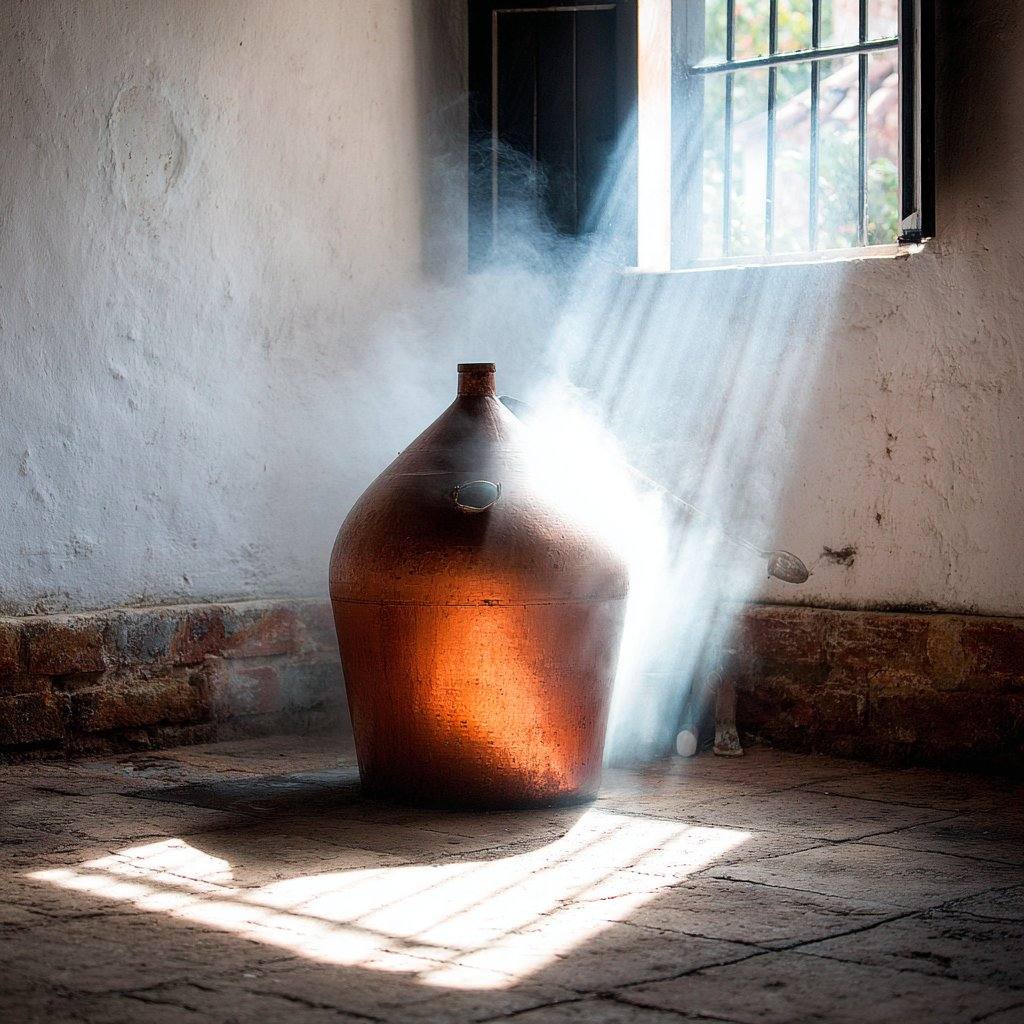
The simplest answer: all tequila is mezcal, but not all mezcal is tequila. Tequila is a subset — a specific type of mezcal made from a single agave species in a legally defined region. Everything else is the wider, wilder world of mezcal.
The Agave
Tequila can only be made from one species: Agave tequilana, commonly known as blue agave. It is cultivated in neat rows on commercial farms, typically reaching maturity in five to eight years.
Mezcal can be made from over fifty agave species — espadín, tepextate, tobalá, jabalí, madrecuishe, and many more. Some are cultivated, some are semi-wild, and some grow only in the wild on rocky cliff faces and take twenty-five years to mature. This diversity of raw material is why mezcal offers such an extraordinary range of flavours, aromas, and textures. Tequila, by comparison, works within a single-species palette.
The Region
Tequila is produced primarily in the state of Jalisco, with some production permitted in parts of four other states. Mezcal has a denomination of origin covering nine Mexican states, with Oaxaca as its spiritual and productive heartland. In practice, agave distillates are made across Mexico — including in states outside the official denomination, where they must be labelled as destilado de agave rather than mezcal.
The Production
Most tequila is produced industrially: autoclaves replace pit ovens, mechanical shredders replace stone wheels, stainless steel tanks replace pine vats, and column stills replace pot stills. The result is efficient, consistent, and — at the premium end — perfectly pleasant.
Mezcal ranges from industrial to ancestral, but the expressions worth seeking out are made by hand: pit-roasted over volcanic rock, crushed by tahona or mazo, fermented in open air with wild yeast, and distilled in copper alembics or clay pots. Every batch reflects the hand of its maker, the season, and the place.
The difference is not quality. Plenty of bad mezcal exists, and plenty of good tequila. The difference is range. Mezcal is the whole orchestra. Tequila is the first violin — beautiful, but one instrument.
The Flavour
Tequila tends toward a relatively narrow flavour band: herbal, peppery, citrus, agave sweetness. Good blanco tequila can be crisp and elegant. Good añejo tequila gains complexity from barrel ageing.
Mezcal’s range is vast. A cultivated espadín might give you chocolate and roasted fruit. A wild tepextate might give you green coffee and cedar. An ancestral clay-pot expression might give you wet earth and cacao. The smoke is often cited as mezcal’s defining characteristic, but in well-made mezcal, smoke is one note in a complex symphony — not the whole performance.
The Bottom Line
If you enjoy tequila, mezcal will open a door to a much larger room. If you’ve never tried either, start with mezcal — you’ll understand tequila as a subset, rather than the other way around.